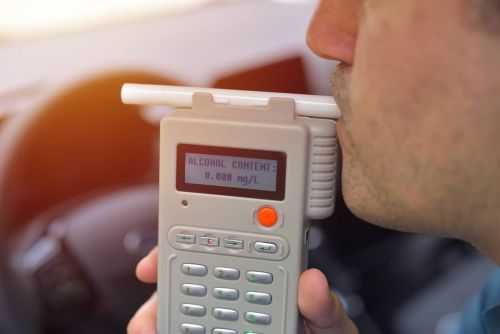
Saying “I refuse” to a breathalyzer isn’t just a casual choice in Oklahoma. A single “no” at the roadside can carry consequences you might not expect. In Oklahoma, refusing a breathalyzer test doesn’t stop DUI proceedings; it sets in motion automatic penalties that can affect your driving privileges for months or even years. Knowing what the law allows and how to respond if you’re faced with this decision can make the difference between a manageable situation and a legal headache.
Oklahoma’s Implied Consent Law
Driving is a privilege, not a right. When you obtain a driver’s license in Oklahoma, you agree to participate in a DUI test in the event you are pulled over for suspected intoxication while driving. These agreements are referred to as the implied consent law under Oklahoma Statutes Title 47. Motor Vehicles §47-753.
You are consenting to breath, blood, or urine testing to determine your blood alcohol content (BAC). As part of this consent, you are also agreeing that if you are unconscious at the time of an accident, medical professionals can draw your blood for a test. For an officer to ask you to submit to a test, they must have reasonable grounds for suspecting you are driving under the influence. You aren’t entitled to speak with an attorney before agreeing or refusing the test. You have the right to refuse the test. Unless there is an exception, an officer cannot physically force you to take the test. An exception to this is if an accident results in serious injury or death. You could be forced to take a BAC test. Another exception is if the officer obtains a warrant.
Immediate Administrative Consequences of Refusal
While you can refuse a breathalyzer test, there are immediate consequences to this decision. The police officer is going to confiscate your driver’s license and provide you with two documents:
- Officer’s Affidavit
- Notice of Revocation/Disqualification
These forms will contain information about your arrest. The Officer’s Affidavit establishes grounds for applying the implied consent law. It will detail the officer’s sworn statement about their belief that you were impaired. The Notice of Revocation/Disqualification is the document that puts you on notice that your driver’s license has been revoked. This is an automatic action that happens when you either refuse to take a BAC test or take the test and are over the legal limit.
It’s crucial to keep these documents and read them. You have 30 days to request an administrative hearing with the Department of Public Safety (DPS). If you fail to make this request within the time limit, your license is automatically revoked for a minimum of 180 days and up to three years. If you do make the request, you will attend a hearing that gives you an opportunity to save your driving privileges. The short deadline is why it’s so important to not wait to speak with an attorney. A criminal defense lawyer can help you request the hearing and prepare for it. They can also help prepare your criminal defense.
Criminal Case Impacts
While the American criminal system is based on you being innocent until proven guilty, it does not look good that you refused the BAC test. The prosecutor will argue that your refusal is evidence that you knew you were over the limit of 0.08%. This can create the perception that you are guilty.
One reason people refuse the BAC testing is the belief that roadside breath testing is inaccurate or unreliable. Instead of refusing to take the test, you can request an independent blood test. When you take the roadside test, immediately request the separate test and state that you will pay for it. The results from this test can be used as evidence in court to counter a faulty breath test. If the police officers refuse to allow you to take an independent test, it can invalidate their test.
Consequences Beyond License Suspension
Having your license suspended or revoked can have far-reaching consequences. You could be required to have an ignition interlock device installed on your vehicle. It could be required to be on your vehicle for up to five years. You could be required to attend an impaired driver rehabilitation course.
If found guilty of your first DUI offence, you could face $1,000 in fines and up to one year in jail. You could also be required to perform community service or substance abuse classes. These penalties are progressively harsher with each subsequent DUI offense. Having legal representation can impact the outcome of your case. A lawyer will advocate on your behalf. They may negotiate a plea deal with the prosecutor. They may also present mitigating factors and a defense argument to the court. Their knowledge of the law and local court will help you present the best defense.
Contact Titus Hillis Reynolds Love Today
Refusing a breathalyzer in Oklahoma is a legal choice with real consequences, not just a procedural step. License suspension, administrative hearings, and potential courtroom implications all make it important to understand what you are facing. Titus Hillis works with individuals who need clear guidance and strong advocacy after a DUI arrest or breathalyzer refusal. If your license or freedom is at risk, scheduling a consultation can help you move forward with a plan rather than uncertainty. Contact us today to schedule a consultation and learn how we can help.


 Share
Share