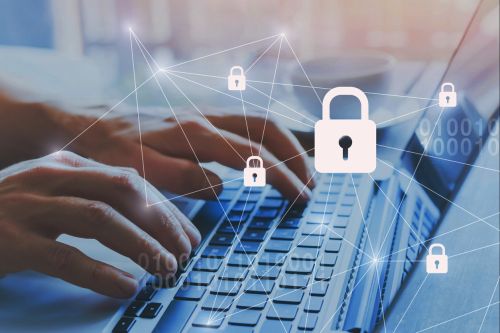
You don’t think about your digital life until divorce puts it under a microscope. Suddenly, passwords you never questioned, shared cloud folders, and old login sessions become a problem you didn’t see coming. That’s where things get uncomfortable fast. This is exactly where digital privacy during divorce stops being a tech issue and starts becoming a legal one. If you’re going through a divorce in Oklahoma, your online life may already be part of the picture.
Why Digital Privacy Becomes a Legal Issue in Divorce
When married, couples think nothing of sharing online accounts. Life is easier when there’s one Amazon, a shared cloud storage account, or connected banking accounts. Devices are shared, and passwords are stored to make logging into accounts easier. That convenience becomes a liability when a couple decides to divorce, though.
During a divorce, information from online accounts can become a part of the legal discovery. It could provide evidence that could be used against one spouse or the other. There could be activity or information that is brought under scrutiny. It’s important for spouses to understand that “private” doesn’t mean it’s protected from legal analysis or litigation.
Common Digital Privacy Risks During Divorce
There are common privacy concerns that spouses should be aware of when going through a divorce. The most impactful being unauthorized access to accounts that people treat as personal. Email and social media are used for casual conversation and connecting with others. Those communications can be viewed in a negative light when someone who is unauthorized accesses the account. Banking and financial apps could reveal spending and saving activity that could be used by an unauthorized party to justify financial negotiations. Access to cloud drives like Google Drive or iCloud can provide a wealth of documentation that, for some, goes back years. Saved pictures and videos can be used to create an adultery narrative that may not necessarily be true.
In more concerning situations, spyware or tracking software may be installed. These allow someone to track device usage and location. In many situations, the person being tracked doesn’t become aware of it right away. When discovered, additional legal issues can arise from the unauthorized tracking. Oklahoma law may treat unauthorized access differently depending on consent and ownership.
Deleting old text messages or closing accounts isn’t enough to protect privacy. If the data is recovered, it could be discoverable as a part of the legal process. New legal questions could also arise from the discovery of mass deleting. A spouse shouldn’t be attempting to hide information relevant to the divorce by deleting data and accounts.
Digital privacy can become even more complicated if there are work devices. These should never be used for personal activity. However, if they were, they could also be brought into the discovery process of the divorce. This can have a much larger impact on professional careers.
Oklahoma Law and Digital Evidence and Privacy
One of the biggest misconceptions about divorce is that a spouse can demand access to everything. In reality, Oklahoma law places limits on what information can be requested and produced.
Electronic communications, financial records, and other digital evidence may be discoverable when they relate to issues in the divorce. For example, information concerning marital assets, spending habits, or parenting disputes may be relevant to the court's decision-making process.
When requests go too far, legal remedies are available. Attorneys can ask the court to issue protective orders that narrow the scope of discovery or shield particularly sensitive information from unnecessary disclosure. Courts may also reject requests that are overly broad or designed to uncover information unrelated to the case. The important legal question is relevance. Oklahoma courts generally strive to ensure that parties have access to evidence they legitimately need while preventing unnecessary invasions of privacy.
Protect Your Digital Privacy During Divorce
The first step in securing your digital privacy is to secure your online accounts. Change all passwords to ones you haven’t used before. This includes emails, banking, and social media accounts. Enable two-factor authentication when possible. Doing so creates an extra layer of protection.
If there are shared accounts or devices, separate them. Remove your accounts from devices or make a new account and cease using the old one. Remove your spouse as an authorized user on your accounts. This includes bank accounts, cloud backup accounts, and location tracking.
When your email is accessible to other people, you may need to create a new account for legal communications. That way, you maintain confidentiality. Send potentially important information and documentation to that email. Avoid deleting anything that may be relevant.
Speak With an Oklahoma Family Law Attorney
Digital privacy during divorce is one of those issues people don’t see coming until it’s already affecting their case. From shared accounts to stored messages, your online footprint can become part of the legal process faster than expected. An Oklahoma divorce attorney can help you protect sensitive information. Titus Hillis works with clients going through divorce across Oklahoma. Contact Titus Hillis to protect your digital privacy and your case from the start.


 Share
Share